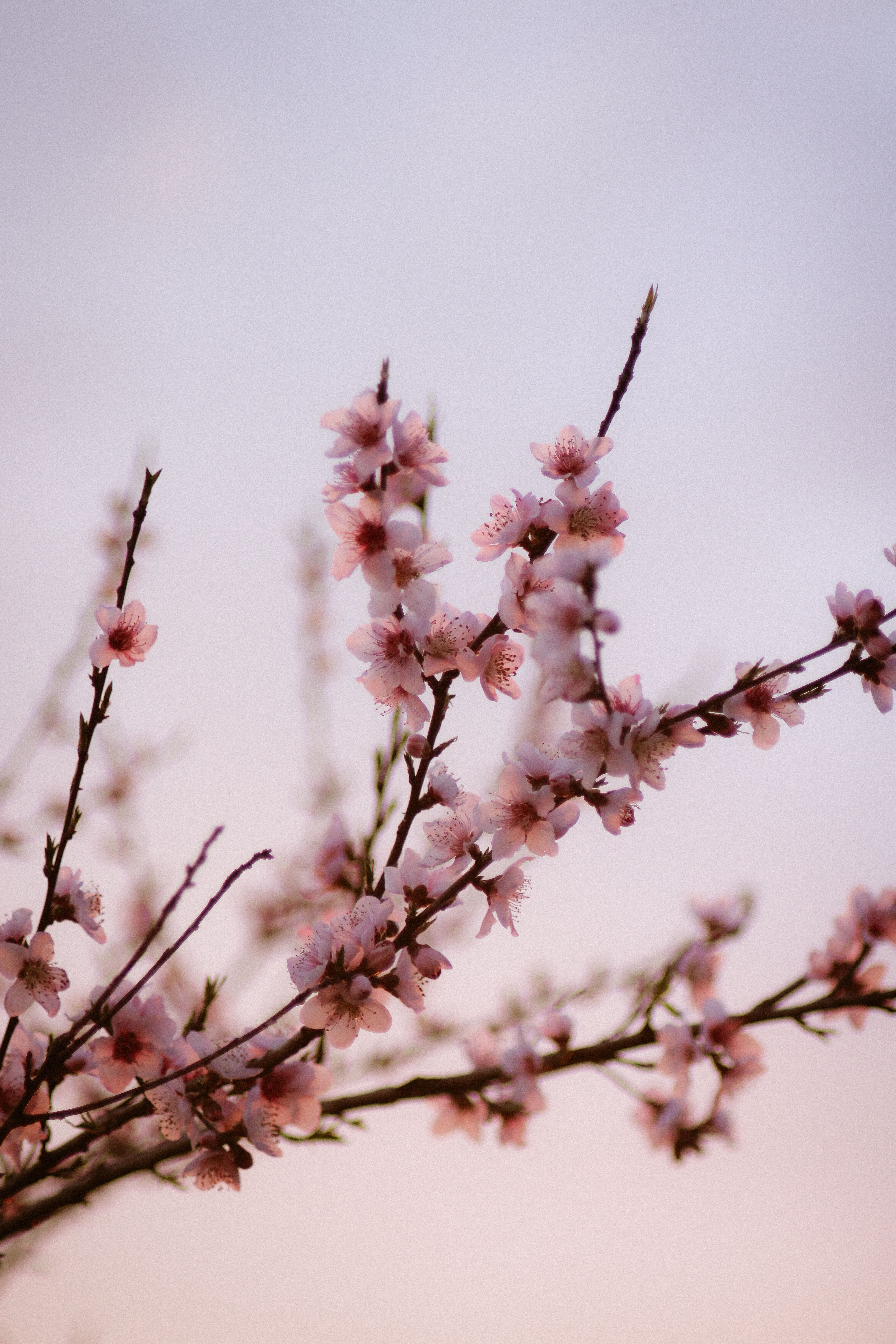
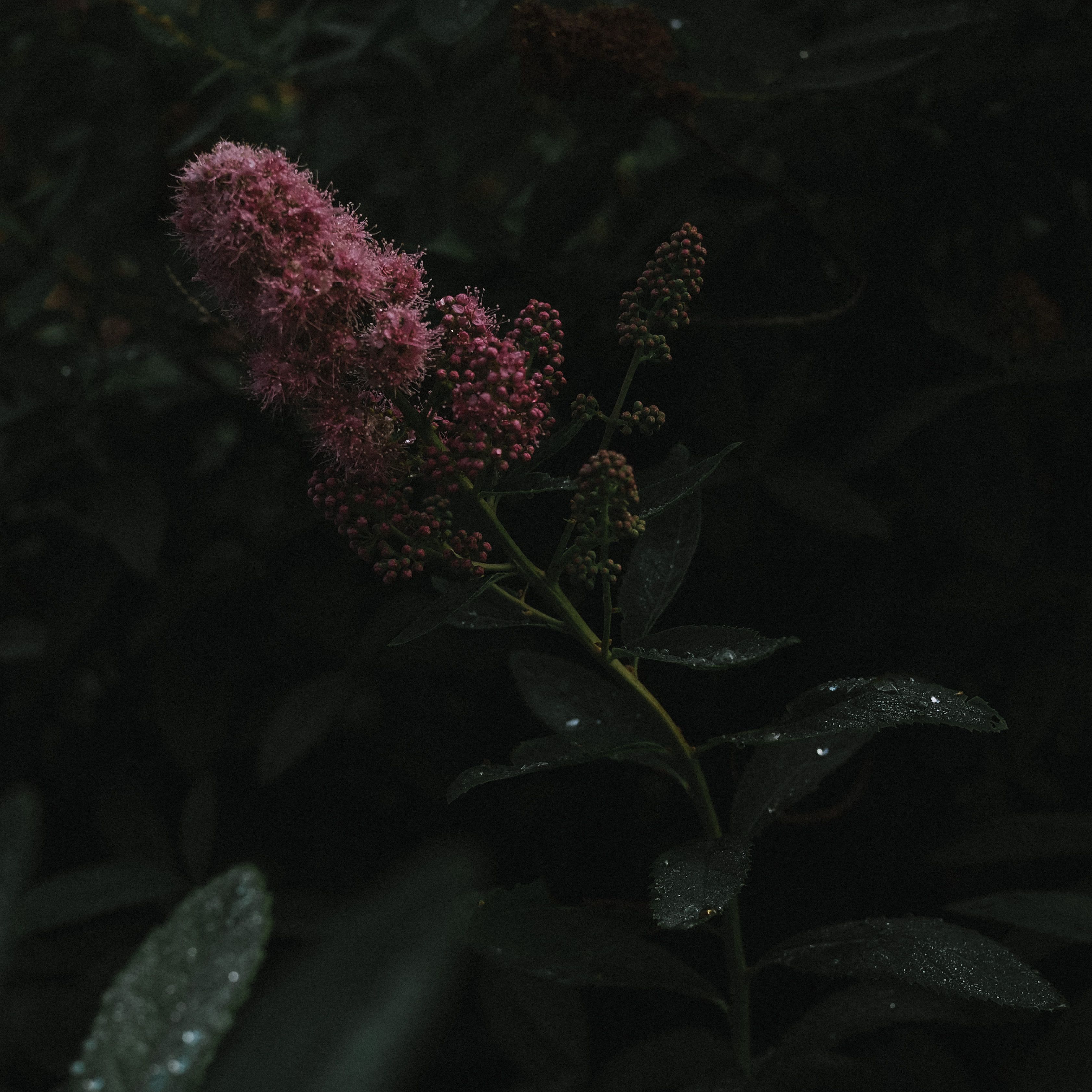
Every plant in a Verdure plan earns its place — not by being rare or showy, but by doing a job. Holding structure, marking a season, carrying scent, or covering ground.
Words — Verdure Studio·3 minute read
A garden is not a collection. It is a composition. The difference is everything — and it is the difference at the heart of how we work.
A collection is a shelf of favourites: the plant that caught your eye at the nursery, the one a neighbour swore by, the impulse bought by the till. Set side by side, favourites rarely make a garden. They make a crowd. A composition is something else entirely. In it, no plant stands for its own sake. Each is chosen for the part it plays and the company it keeps — for what it gives the garden, and for when.
So when we read your space and compose a plan, every plant is quietly answering one of four questions. The best answer more than one. None is there by accident.
Role i
Structure
The bones. Shrubs, hedges, multi-stemmed trees and evergreen form — the shape you see from the window in February, that makes a garden a garden in every season, not only in July.
Role ii
Season
The turning year. Something coming into its moment in every month — the hellebore handing on to the tulip, the rose to the aster — so the garden is never finished, and never bare.
Role iii
Scent
The part you remember. The plant you smell before you see it — placed deliberately, by a door, along a path, beside the seat you use. A garden you can smell is one you never quite leave.
Role iv
Ground
The lowest layer. The green that knits everything together — covering soil, holding moisture, suppressing weeds, and turning a row of dots in bare earth into a single, whole thing.
Most of our decisions are simply this thinking, repeated. Will this plant hold the corner through winter? What follows it when it fades? Does it belong where someone will brush past and catch its scent? And what runs beneath it, so the ground is never bare? A plant that answers well earns its place. One that answers nothing, however lovely in the pot, does not make the plan.
A plant chosen for a reason will always look right.
This is the quiet logic beneath every Verdure plan, and it is why a garden composed this way feels composed rather than collected — settled, deliberate, of a piece. You will rarely be able to name the thing that makes it work. You will only feel, walking into it, that it does.
And because it all begins from a photograph of your own garden, the composition is never a template dropped onto your space. It is read from your light, your soil, your boundaries and your seasons — the one arrangement of structure, succession, scent and ground that could only belong there. That is the whole of it. Not rare plants, not clever plants. The right plants, each doing its job, together.
❦
Composed, not collected
See your own garden composed
From a single photograph, Verdure reads your space and composes a planting-led vision — every plant chosen for the part it plays.