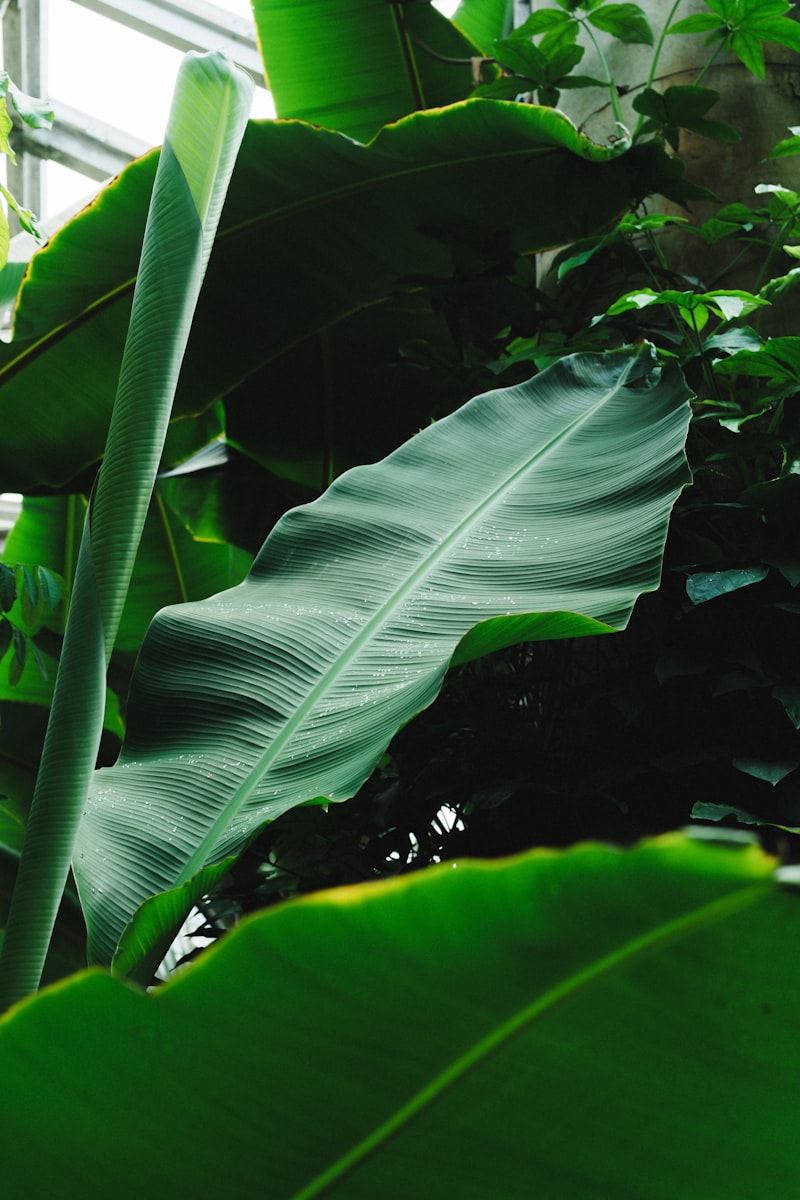
There is a moment, common to almost every gardener, when the shaded corner is quietly declared a failure. Nothing flowers there. The grass thins to moss. The soil stays dark and cool long after the rest of the garden has warmed to summer. And so the corner is written off — a problem to be fixed, or, more often, simply walked past.
We would like to make the opposite case. Some of the most beautiful gardens we know are not the sunny ones at all. They are the shaded ones: the foot of a north-facing wall, the ground beneath an old tree, the narrow passage between two houses where the light arrives sideways and only for an hour. Shade is not an absence of something better. It is a condition with its own logic, its own plants, and a stillness that full sun, for all its generosity, can never offer.
i — The paletteA garden of leaves, not flowers
The first thing shade asks of you is to stop hunting for blooms. In the sun-baked border, flower is everything — colour piled on colour, a performance that begins in May and exhausts itself by August. Step into the shade and the eye recalibrates. It begins, instead, to read leaves: the broad architecture of a hosta, the cut lace of a fern unrolling in spring, the silver-dusted hearts of Brunnera, the puckered, quilted surface of a woodland geranium. Texture and form become the whole composition. And the green — there is no single green here, but fifty of them, from the near-black of a yew to the acid spring of new beech, glaucous blues and bronzes and the pale lime of a leaf with the light behind it.
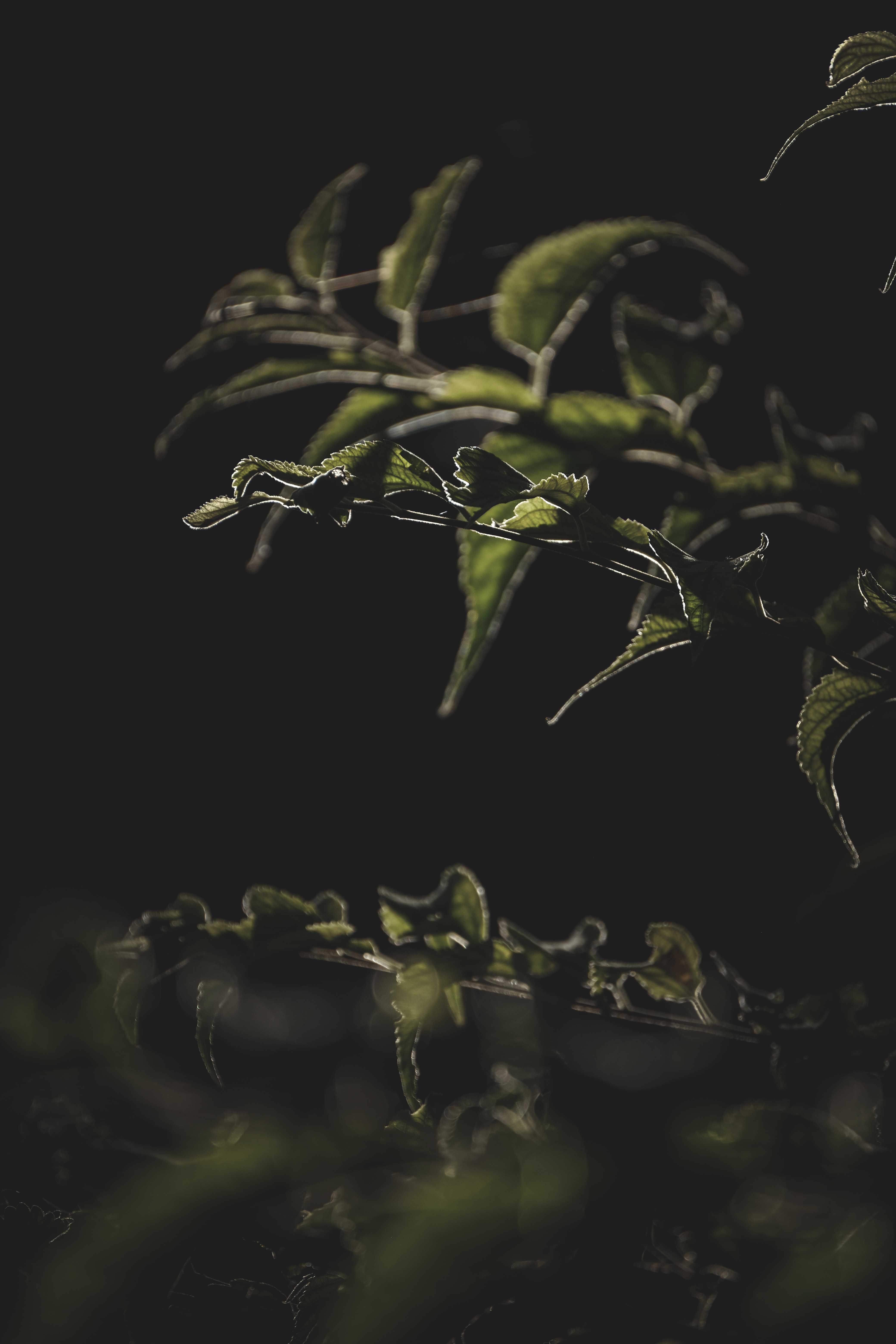
There is no such thing as one green.
What does flower in shade is, for its rarity, the more precious. The hellebores that open in the cold half of the year, when nothing else dares. The white wands of Solomon's seal, arching in rows. Foxgloves drawn tall toward whatever light they can find. The cool, forget-me-not blue of Omphalodes; the late, luminous white of a Japanese anemone; hydrangeas holding their heavy heads steady in the gloom. And here is the quiet trick of it: in low light, white and the palest colours seem to glow, lit from within, while the hot reds and oranges that blaze in sun simply vanish into the dark. A shade garden teaches you to plant with light itself.
ii — The atmosphereThe quality of the light
Shade, properly looked at, is not darkness. It is light made slow and even — filtered through a canopy, bounced off a wall, arriving softened and without glare. Sit in a shaded garden for a morning and you will watch a single shaft of sun travel across it like a hand moving over a table, lighting one leaf, then another, then gone. Nothing in full sun moves with that patience.
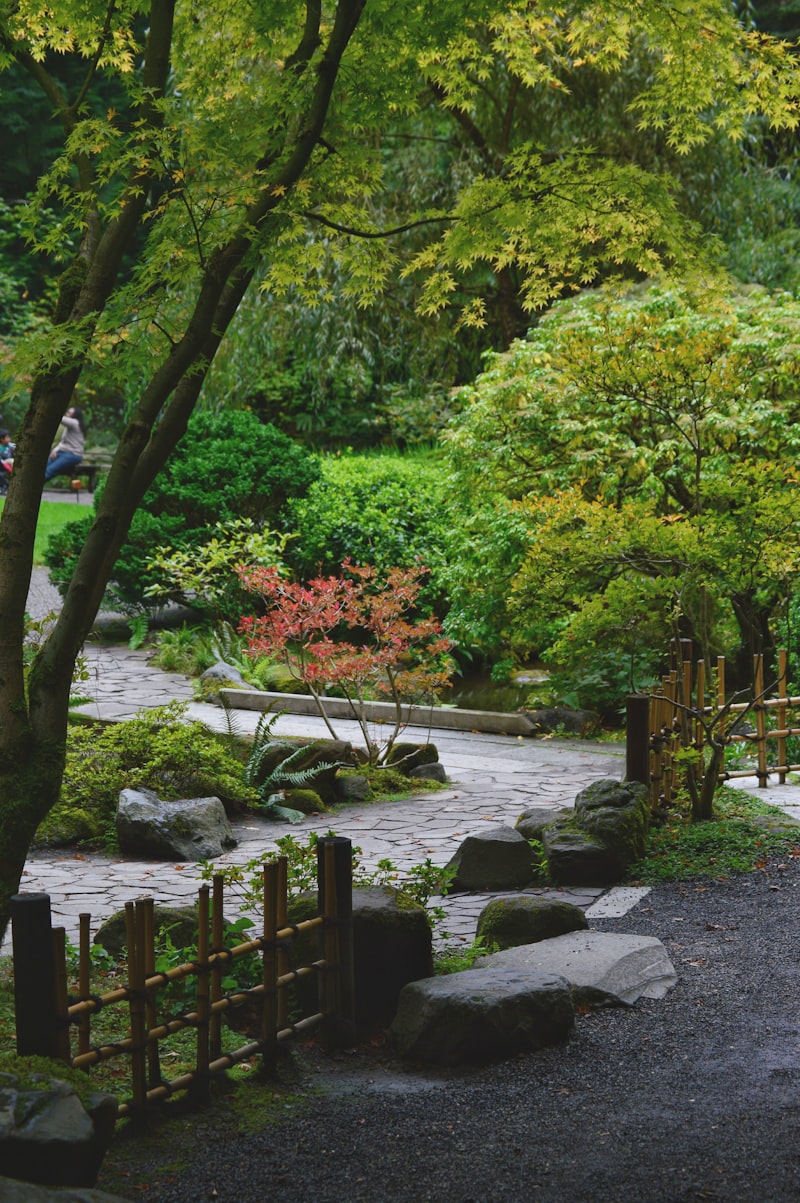
There is a practical gift in this, too. In the heat of high summer, when the open borders are parched and flagging and the lawn has turned to straw, the shaded garden stays cool, green and unbothered. It is the part you actually want to sit in. A garden that offers refuge is doing something a garden of pure spectacle never can — it is offering you somewhere to be, not merely something to look at.
Plant for the shade you have, and it stops being the difficult corner. It becomes the cool, green heart of the garden — the place you walk to, not past.
This is how we approach it. We do not fight a site's shade; we read it. When a plan begins from your photograph, the light is the very first thing we measure — where it falls, where it never does, how it shifts from morning to evening. Then we compose for the conditions you have rather than the ones you might wish for. A bare north wall becomes a tapestry of fern, hydrangea and climbing hydrangea. The dry, difficult ground beneath a tree — so often left as bald earth — fills instead with epimedium, hardy geranium and the marbled winter leaves of cyclamen. The shade does not change. What changes is that you have stopped asking it to be something it isn't.
So before you reach for the saw, or resign the corner to the bins and the water butt, look at it again in a softer light. The shaded ground is not the part of the garden with the least to offer. More often than not, it is the part with the most to become.
❦
Your light, read closely
See your shade composed
Send the corner you'd given up on. Verdure reads where the light falls and where it doesn't, then composes planting that belongs to the shade you actually have.