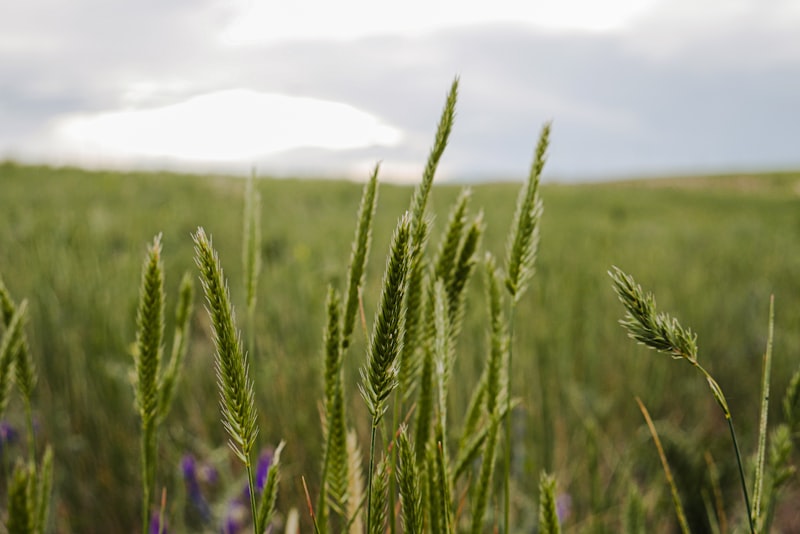
"Low-maintenance" has been sold to us as a kind of subtraction. Tear out the borders, roll out the gravel, set three architectural shrubs at polite intervals, and call it easy. And it is easy — easy and empty, a car park with ambitions. But a low-maintenance garden and a bare one are not the same thing, and confusing the two costs you the best part of having a garden at all.
The truth is far more generous. A garden can be full to the brim — humming with grasses, froth and seedheads, loud with bees on a warm afternoon — and still ask almost nothing of you across the year. The effort was never in the planting. It is in the choosing. Get the choices right at the outset, and the garden spends the rest of its life looking after itself.
The principlesSix choices that do the work for you
Right plant, right place
The single rule that saves the most work. A plant set where it wants to be — dry soil for a sun-lover, cool shade for a woodlander — never needs coaxing, feeding or rescuing. Fight a plant's nature and you have signed up for a lifetime of watering cans. Suit it, and it positively thrives on neglect.
Let structure carry the garden
The plants that ask least are the ones that hold their shape on their own: ornamental grasses, evergreen shrubs, a multi-stemmed tree, low clipped domes. No deadheading, no staking, no anxious attention — they simply stand there, season after season, being handsome. Build the garden's bones from these and everything else is detail.
Plant in communities, not soldiers
A border of bare earth between lonely specimens is an open invitation — to weeds, to evaporation, to work. Plant closely instead, in drifts and repeating groups, and the plants knit into a single living carpet. They shade their own roots, hold moisture, and crowd out the weeds you would otherwise be pulling. Ground that is covered is ground you needn't tend.
Choose plants that sow their own future
Some of the loveliest things in a relaxed garden are the ones that move around of their own accord — Verbena bonariensis, foxgloves, aquilegia, poppies, fennel. Let a few self-seeders run and the garden begins, quietly, to plant itself. Lifting the odd seedling each spring is a pleasure, not a chore. It is nothing like work.
Mulch once, and mulch well
If there is one annual job worth doing, it is this. A thick layer of compost or bark over the beds each spring locks in moisture, smothers weed seedlings before they start, and feeds the soil as it breaks down. One afternoon in March buys you a whole season of ease — the laziest gardener's secret, and far and away the best one.
Let the seasons stand
Resist the urge to cut everything down the moment it browns. The seedheads of grasses and perennials hold the frost beautifully through winter, feed the birds, and shelter next year's insects — and leaving them until late winter is one less autumn spent cutting back. Tidiness, in a garden, is very often just unnecessary work in a nicer coat.
A palette that looks after itself
- For structure & bones: ornamental grasses (Stipa, Molinia, Calamagrostis 'Karl Foerster'), rosemary, low evergreens, a multi-stem amelanchier.
- Backbone perennials: hardy geranium, Sedum, Salvia nemorosa, achillea, echinacea — long-flowering and entirely undemanding.
- Living ground cover: Alchemilla mollis, Geranium macrorrhizum, brunnera, epimedium — the carpet that beats the weeds.
- Let these self-seed: Verbena bonariensis, Erigeron karvinskianus, foxglove, aquilegia — the garden, gently planting itself.
A low-maintenance garden isn't one with less in it. It's one where everything in it was chosen to thrive on being left alone.
And here is the part the gravel merchants leave out: the reason to make a garden easy is not to spend less time in it. It is to spend more — sitting in it of an evening rather than labouring over it of a weekend. The full, self-sufficient border gives you the long grass at dusk, the seedheads catching the last light, the bees you didn't have to do anything to earn. That is the whole reward, and an empty garden cannot pay it.
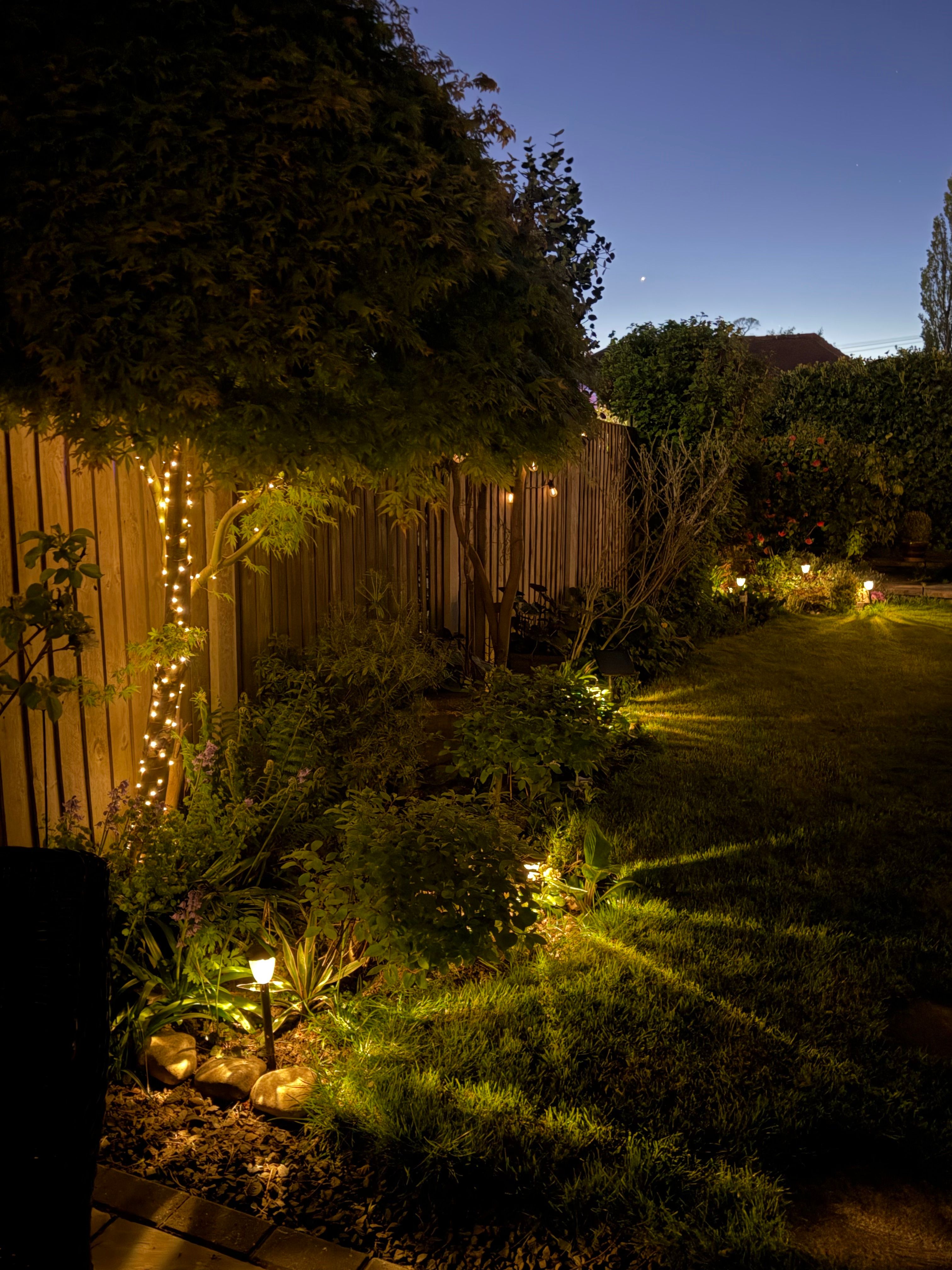
This is why a Verdure plan is low-effort by design rather than by emptiness. Because the planting is matched to your light, your soil and your climate from the very first photograph, nothing in it is being asked to struggle — and a plant that isn't struggling is a plant you don't have to nurse. The result is a garden that is full, alive and unmistakably yours, and which leaves you, most weekends, with nothing more pressing to do than enjoy it.
❦
Full, alive, and easy
A garden chosen to mind itself
Verdure composes planting matched to your conditions — so the garden you get is generous to look at and gentle to keep.