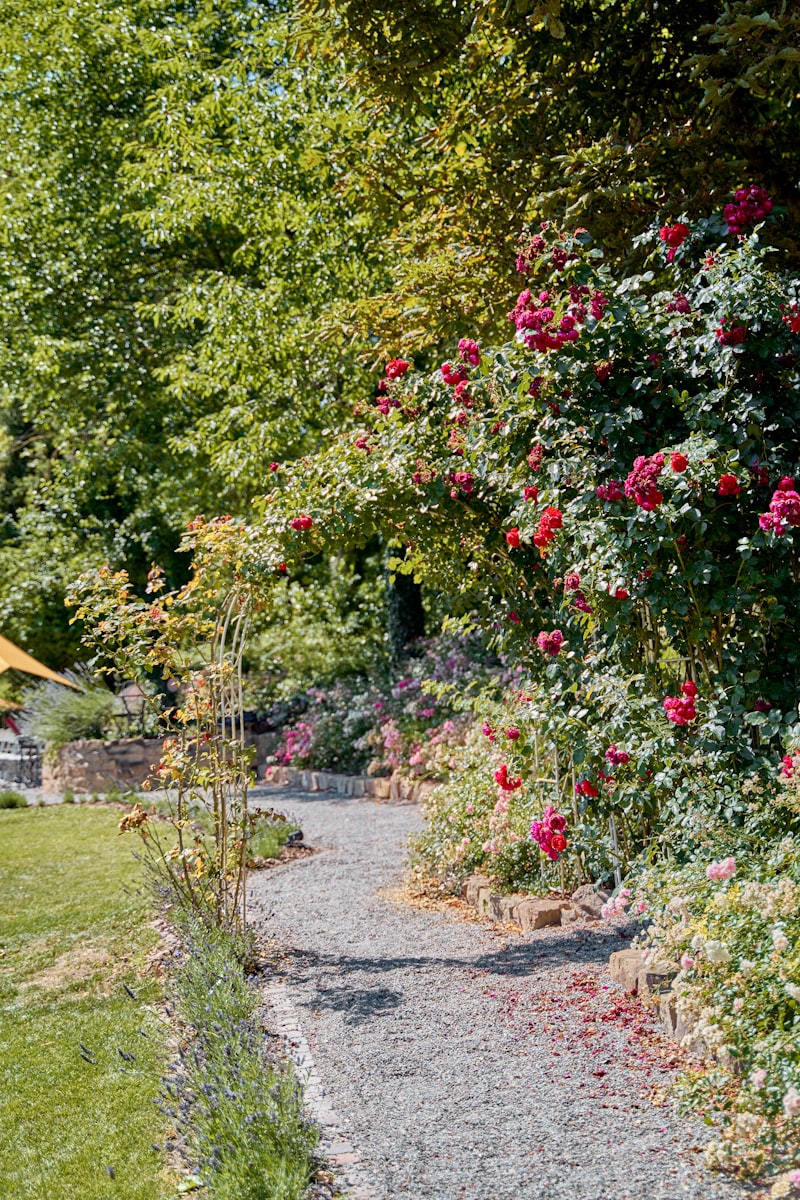
A good plan starts with a good photograph. When you send Verdure a picture of your garden, that single frame is what we read — the light falling across it, the shape of the beds, the wall the morning sun never reaches. Give us a clear one, and the plan that comes back will fit the space you actually have, rather than an idea of it.
The happy part is that the best garden photograph is also the easiest one to take. You do not need a camera, a blue sky, or any gift for composition. You need to be outside at the right time of day, holding your phone level, and willing to spend two unhurried minutes over it. Here is how.
Photograph in soft light
The harsh overhead sun of a bright midday is the enemy. It bleaches the pale flowers, drops everything else into hard black shadow, and flattens the very colour you are trying to show. A bright-but-overcast day is perfect: the cloud acts as one enormous softbox, and every leaf reads true. Failing that, the first hour after sunrise or the last before sunset gives the same gentle, even light, with a little warmth thrown in for free.
Shoot the view you actually use
Photograph the garden from the spot you see it from most — the kitchen window, the back step, the far end of the path. That is the view the plan should reward, so that is the view to send. When in doubt, stand with your back to the house and photograph outward, the way you look when you step into the morning.
Fit the whole space in one frame
Step back until you can see the edges — the boundaries, the fence or wall, the line where planting meets lawn or paving. Hold the phone horizontally, not upright. We are reading the whole room here, not one pretty corner of it; the more of the garden's shape you give us, the more faithfully the plan can answer it.
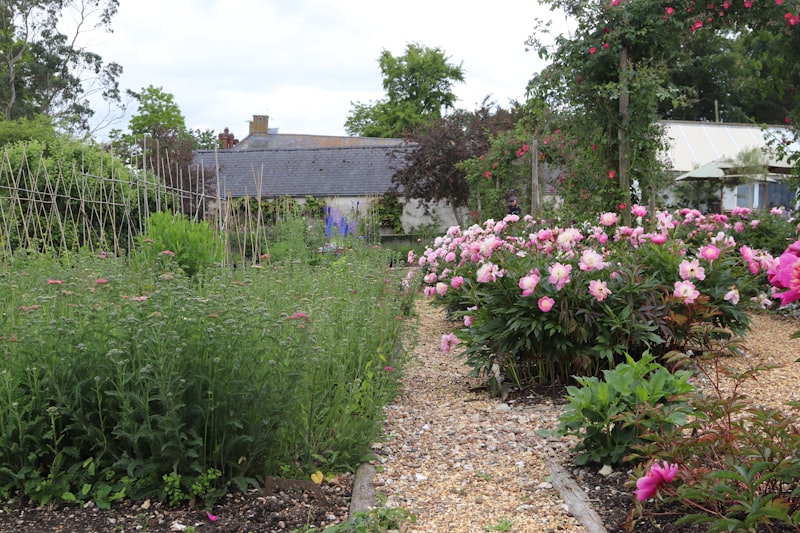
Hold it straight, and a little low
Tilt the phone down and the garden seems to fall away from you; tilt it up and you get a photograph of the sky. Hold it flat, at roughly chest height, with the far boundary sitting about two-thirds of the way up the frame. A level horizon is the single biggest difference between a snapshot and a picture a designer can actually work from.
Give us the ground, not the sky
The bones of a garden live at ground level: the soil, the path, the edge of the lawn, the bare patch under the tree. Sky tells us nothing. Let the ground fill most of the frame, and keep the planting and the surfaces in clear, honest view.
A quick tidy — and nothing more
Drag the hose, the bin and the trampoline out of shot if they move easily. But do not stage it. Leave the real plants, the worn grass, the gap where nothing will grow. Those are precisely the things a good plan is there to answer. An honest photograph earns an honest plan.
What makes a photograph hard to read
- Shooting into the sun. The garden goes dark and the sky goes white. Keep the sun behind you or off to one side.
- Dusk, night or deep shade. There simply isn't enough light to read texture or true colour. Wait for proper daylight.
- Extreme close-ups. One perfect rose, beautifully framed, tells us nothing about the space it grows in. Pull back.
- Filters and "vivid" camera modes. They quietly shift the colours we rely on to judge light and planting. Plain and true wins every time.
One clear, level photograph of the whole garden is genuinely enough to begin. If you would like to be thorough, take a second from the opposite end — the same space seen the other way helps us understand how the light travels across it through the day. But do not labour it. The picture that works is rarely the tenth careful attempt; it is usually the first honest one.
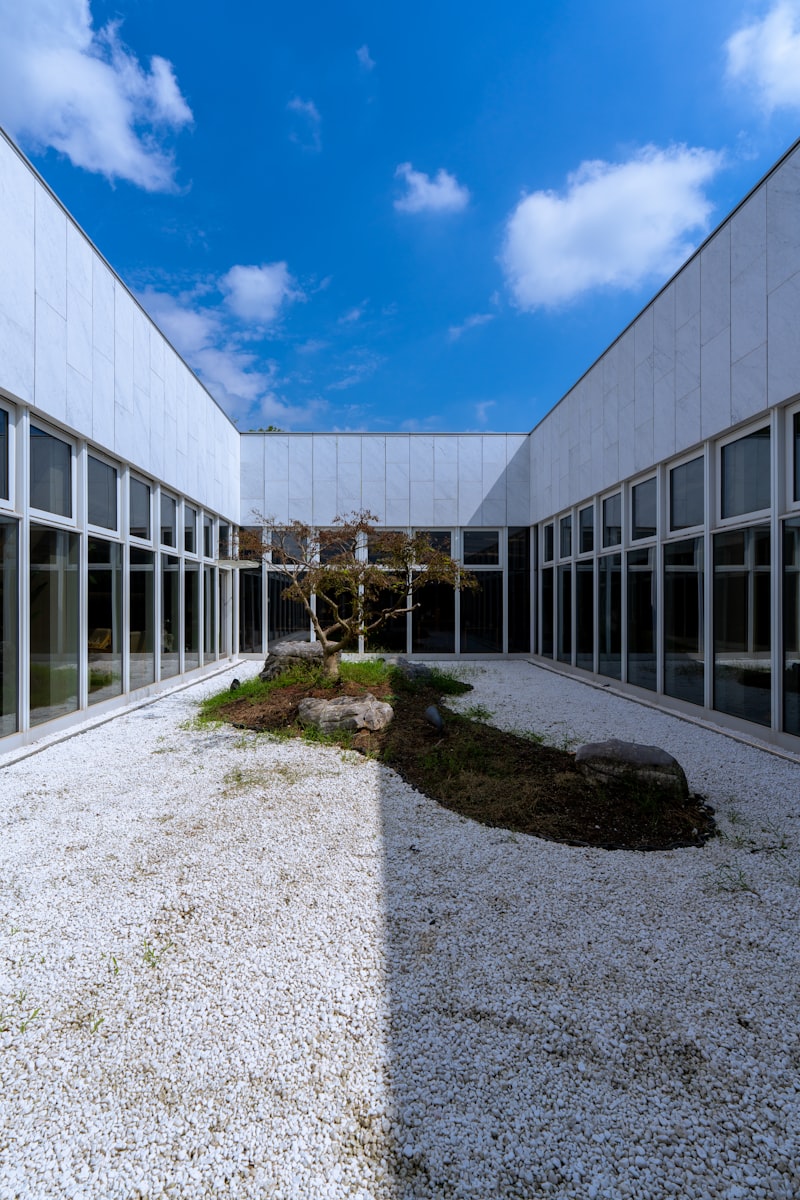
Photograph the garden you have, in the light you have, honestly — the plan can only ever be as good as the picture it begins from.
Once you have it, the rest is ours. Verdure reads the photograph for its light, its proportions and its conditions, then composes a planting-led vision and the practical plan to make it real. Your part takes two minutes and a kind sky. Wait for the cloud, hold the phone level, and let the garden speak plainly. That is all the best result asks of you.
❦
Ready when you are
Turn your photograph into a plan
Upload that one clear shot and see your garden composed — planting, structure and a practical plan, read from your own space.